Half your house taped off in plastic, a bathroom from 1968, and nobody calling you back.
Chicago home remodeling usually starts the day you admit the layout you've been cursing for six years isn't going to fix itself. We do baths first and foremost, and we do the rooms around them: the hall closet that eats a vanity, the Logan Square two-flat where the tub drain and the kitchen stack share one wall and one bad decision from 1954.
What I won't do is open a wall, find knob and tube or a rotted joist, and quietly tile over it. We stop, show you the photo, and price the fix before anyone picks grout.
Most general contractors will tell you the layout drives the schedule. It does. It also drives your home remodel budget, along with how much plumbing has to move and what the demo turns up.
Below: what the work actually involves, what moves the price, and the questions people ask before booking. Call (773) 377-9135 and I'll come look.
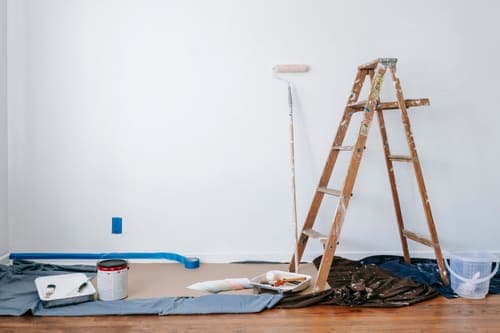
Renovations
Renovations are what most of this work actually is: the house stays where it is, the footprint mostly stays, and we fix the parts that have quit on you. Hiring one general contractor for home renovation work means one person owns the schedule, so the tile setter isn't standing in your hallway waiting on a rough-in nobody booked. That's the whole argument for general contractors over stitching it together yourself on weekends.
What moves a renovation number is how far back the walls come, whether the plumbing has to move, and what we find behind the plaster in an older bungalow. Galvanized supply lines are the usual surprise, and running shiny new fixtures off pipe that's been closing up since Daley the first is how you end up blaming the faucet.
Our Chicago Bathroom Remodeling work is the same discipline applied to the smallest, wettest, most expensive room in home remodeling.
Interior Remodeling
Interior remodeling is everything inside the walls of your place that isn't the bathroom: opening a galley kitchen into the dining room, rebuilding closets, new floors, new trim, skim-coating plaster that's been patched by four owners before you. Most of what we do in these older bungalows and greystones starts with finding out whether the wall you want gone is holding the second floor up.
Sometimes it is, and then we're talking about a beam and a temporary wall, and the job grows.
Plaster and lath is the part people underestimate. Pulling it makes a gray dust that gets everywhere, so we tent off the work area and run negative air before a single hammer swings.
What moves the price on renovations like this is how much structure moves, how far electrical has to be rerun, and whether your trim profile still exists or has to be milled to match. Matching old oak casing is slow work, and it's the thing you'll look at every day.
Home Remodel Budget
Your home remodel budget is mostly decided before anyone swings a hammer, by things you can't see from the hallway. Moving a toilet or a kitchen sink more than a few feet means opening the floor and chasing a drain line, and in an older frame two flat that can mean a cast iron stack that crumbles when you touch it. Same with access.
A galley kitchen on the fourth floor of an elevator building with a freight reservation window is a slower job than a ranch with a driveway to the back door.
Scope moves it, finishes move it, and the condition of what's behind the plaster moves it most.
When people go out and find general contractors for this kind of work, the quotes land miles apart. Usually that gap isn't greed, it's what somebody left off the sheet. A general contractor remodeling an older place should be pricing the permit, the electrical upgrades and the subfloor, not just the pretty parts of home remodeling.
What the job involves
Here's what the job involves once we've agreed on a plan. We pull the permits the city wants, cover the floors along the path from your front door to the bathroom, and gut back to studs and subfloor. That's the morning your house tells on itself: a cast iron stack with a hairline crack in it, or a subfloor gone spongy around the toilet flange where somebody's wax ring quit years ago.
Plumbing and electrical rough-in come next, then inspection, then waterproofing goes on before a single tile is set. A good home improvement contractor schedules the tile setter after the inspector, never the other way around.
Size and what's hiding behind the walls move the price far more than the faucet you picked out. When people find general contractors willing to tile straight onto drywall to land a lower number, that shower looks sharp for two seasons and then the grout starts weeping into the joists.
What it costs
What it costs on a home remodeling job comes down to four things: how big the space is, what we find behind the plaster, how far the plumbing and electric have to move, and what you choose to put back. Moving a toilet drain two feet means opening the floor and cutting into joists, and that's a different day's work than setting it where it already sits.
Old galvanized pipe, knob and tube, a subfloor that's gone soft under a thirty year old tub surround: all of it shows up on the number. So do finishes. Stock cabinets and porcelain tile land in one place, a custom vanity and slab stone land somewhere else entirely, and both are legitimate choices.
Give me a call at (773) 377-9135 and describe the room, and I'll tell you what drives the figure on your place specifically.
The other thing that moves money is changing your mind at week three. Decide the tile before demo starts and the budget holds.
When home remodeling is the wrong fix
Sometimes home remodeling is the wrong call, and I'd rather say so before anybody signs anything. If water is coming in at the roofline or the foundation is taking on water every time the gutters back up, new tile and a double vanity just hide the problem until it blooms through the drywall. Fix the envelope first. That's a roofer and a waterproofing crew, not us.
If you're listing the house in the spring, a full remodel won't come back to you at closing. Paint, new fixtures, refinished floors and a clean grout line do more for a buyer than a torn-out wall.
And if the house still has knob-and-tube wiring or supply piping that's rusted down to a straw, the electrical and plumbing upgrades come before anything decorative. Plenty of residential contractors will happily sell you the pretty part anyway. The price swings on scope, access and what we find once the walls are open.
Why choose us for this
Why choose us for this comes down to what's actually on the sheet. You've got a quote in your hand with a smaller number on it, and what you really want is to hire one residential contractor, let them finish, and not think about that bathroom again for ten years.
The cheaper quote usually gets there by leaving things off. The permit. The soft subfloor under the toilet flange that nobody sees until the fixture comes out. The cast iron stack in an old bungalow that cracks if you look at it sideways. None of that goes away because it wasn't written down. It shows up in week two as a change order, and the small number stops being small.
So we price what we expect to find and we tell you while we're standing in the room with you. Size, access, how much plaster comes off the lath, whether the layout moves: that's what pushes home remodeling numbers around.
An estimate costs you nothing and doesn't commit you to anything.
Frequently asked questions
How long am I without a bathroom?
Plan on ten to fourteen days for a full single-bath gut, longer if we are moving the toilet flange or opening a wall. Demo and haul-out take the first two or three days. If it is the only bathroom in the house, we stage it so the toilet and sink are back in service before the tile work wraps.
Do I need a permit?
Usually, yes. Moving drain lines, adding circuits or taking out a wall all need one. A straight swap of tub, vanity and tile generally does not. As your residential contractor we pull it, so the inspection is our problem, and we start that paperwork before the dumpster lands in the alley.
Why is one estimate so much higher than another?
Scope and access. A third-floor walk-up, cast iron that crumbles when you touch it, a rotted subfloor under the old tile. Also waterproofing: a home remodeling bid that puts tile over green board instead of a proper membrane prices low and leaks by year two.
Contact Bathroom Remodeling Chicago Pros now
Contact our bathroom remodeling Chicago pros now and the first thing I'll want from you is a few photos: the whole room from the doorway, the ceiling under the second floor bath, and whatever is going on behind the toilet. That tells me more than twenty minutes of talking.
When we come out, we measure, pull a vanity drawer, and look at where the drain runs, because moving a toilet three feet in a two-flat with a cast iron stack is a different job than keeping it where it sits.
Bring the ugly stuff to the first visit. Soft floor by the tub, a vent fan that only blows noise, a 1920s bungalow with galvanized supply lines hiding in the wall. Those shape the schedule for any interior remodeling we plan.
We're in the office nine to five on weekdays, and if a job truly can't wait we'll come out on the weekend. Call (773) 377-9135 and we'll get you on the calendar for your home remodeling.